
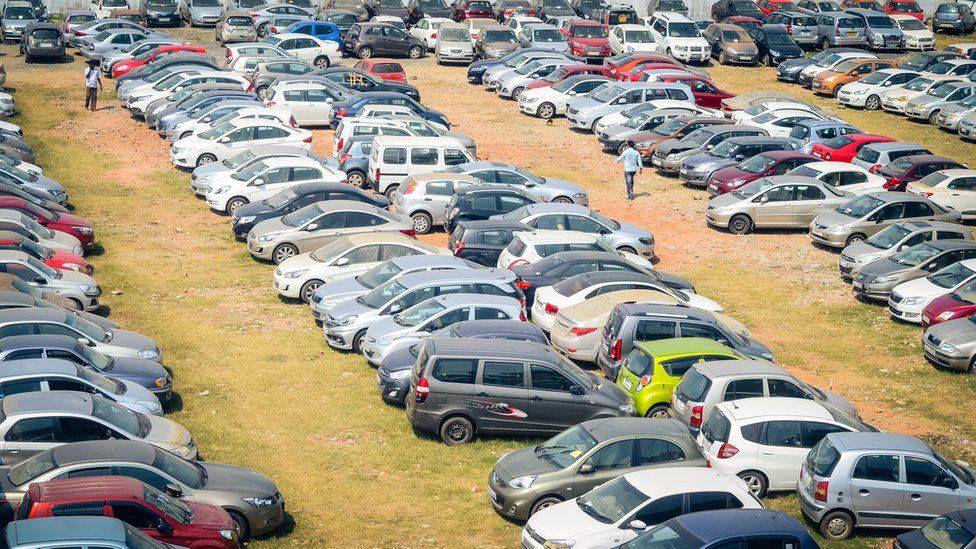
Buying a car from a bank auction can save you thousands of rupees compared to regular dealership prices. Every year, Indian banks auction off vehicles that were seized from loan defaulters — and most of these cars are in good condition with genuine documentation. This detailed guide explains how you can participate in bank auction car sales 2025, what the process looks like, how much you can save, and how to avoid common mistakes when bidding for repossessed cars.
Table of Contents
- 1. What Are Bank Auction Cars?
- 2. Why Buy Cars from Bank Auctions?
- 3. How the Auction Process Works
- 4. Documents You Need to Participate
- 5. Major Banks That Conduct Car Auctions
- 6. Best Online Platforms to Find Auctions
- 7. Typical Prices & Savings
- 8. Inspection & Bidding Tips
- 9. Common Mistakes to Avoid
- 10. Frequently Asked Questions
- 11. Conclusion
1. What Are Bank Auction Cars?
When borrowers fail to repay vehicle loans, banks repossess the vehicles under recovery laws. These seized vehicles — also known as repossessed or confiscated cars — are sold through public auctions to recover the outstanding loan amounts. Most of these cars are:
- Well-maintained (since they’re only a few years old)
- Registered under the bank’s ownership
- Available with valid RC, insurance, and service records
- Sold at 20–60% lower prices than the market rate
2. Why Buy Cars from Bank Auctions?
Here’s why thousands of smart buyers prefer to purchase vehicles from bank auctions:
- Huge Discounts: Prices can be 30–60% lower than dealer rates.
- Legal Ownership: Cars are sold with verified paperwork and clean transfer process.
- Wide Variety: You can find models from Maruti, Hyundai, Honda, Toyota, and even luxury brands.
- Transparent Process: Auctions are publicly listed on official portals.
- No Middlemen Required: Buyers can register directly on bank websites.
3. How the Auction Process Works
The car auction process is simple and transparent if you follow the right steps. Here’s how it generally works:
- Registration: Go to the bank’s official auction website (like e-Bkray or MSTC) and create your bidder profile.
- Search Listings: Browse upcoming auctions by city, bank, or car brand.
- Inspection: Visit the location (yard or showroom) to inspect the car’s physical condition.
- Pay EMD (Earnest Money Deposit): Usually 5–10% of reserve price to qualify for bidding.
- Participate in Auction: Submit your bids online during the auction window.
- Winning & Payment: If your bid wins, pay the balance amount within a few days.
- Vehicle Delivery: Collect your car with sale certificate and documents once payment is verified.
4. Documents You Need to Participate
- Valid ID proof (Aadhaar / PAN)
- Address proof (Electricity bill, rental agreement, etc.)
- Bank account details for EMD refund
- Passport size photograph
- GST details (for commercial buyers)
Once verified, you’ll receive your login ID and can start bidding immediately.
5. Major Banks That Conduct Car Auctions
Almost every major Indian bank conducts regular vehicle auctions through authorized e-auction platforms. The top ones include:
| Bank Name | Official Auction Portal |
|---|---|
| SBI (State Bank of India) | https://ibapi.in |
| HDFC Bank | HDFC Vehicle Auction Portal |
| ICICI Bank | https://www.icicibank.com/auction |
| Axis Bank | Axis Bank Auctions |
| Punjab National Bank (PNB) | https://pnbindia.in |
6. Best Online Platforms to Find Auctions
Besides direct bank portals, these official auction aggregators regularly list upcoming repossessed vehicle sales:
- MSTC e-Commerce – Government-approved auction platform.
- BankeAuctions.com – Lists multiple bank auction events daily.
- e-Bkray / IBA Portal – Integrated Government platform for seized assets.
- AuctionTiger – Covers cars, bikes, and industrial assets.
7. Typical Prices & Savings
Bank auction car prices depend on the age, condition, and brand. Here’s a general price comparison:
| Car Model | Market Price (Approx.) | Typical Auction Price |
|---|---|---|
| Maruti Swift Dzire (2021) | ₹7,00,000 | ₹4,50,000 – ₹5,00,000 |
| Hyundai i20 (2020) | ₹6,00,000 | ₹3,80,000 – ₹4,30,000 |
| Honda Amaze (2019) | ₹5,50,000 | ₹3,20,000 – ₹3,80,000 |
| Toyota Innova (2018) | ₹10,00,000 | ₹6,00,000 – ₹7,00,000 |
| Mahindra XUV500 (2017) | ₹8,50,000 | ₹5,50,000 – ₹6,50,000 |
Average savings: 25–40% below market value, depending on condition and demand.
8. Inspection & Bidding Tips
- Inspect before bidding: Visit the car’s physical location, check engine, tyres, interiors, and documents.
- Carry a mechanic: If possible, bring a professional for technical inspection.
- Set a budget limit: Don’t get emotional during bidding — stick to your max price.
- Check RC and insurance: Ensure no pending loans or challans before payment.
- Negotiate post-auction: Sometimes unsold cars are offered at reduced rates after auction closure.
9. Common Mistakes to Avoid
- Skipping inspection — unseen damages can cost lakhs.
- Not verifying papers — check chassis, engine, and registration details carefully.
- Ignoring transfer cost — you’ll need to pay RTO transfer and NOC charges.
- Paying via agents — always transfer payment directly to the bank account mentioned in auction notice.
- Assuming warranty — auction cars are sold “as-is” without manufacturer warranty.
10. Frequently Asked Questions (FAQs)
Q1. Are bank auction cars reliable?
Yes, most cars are repossessed due to financial default, not poor condition. Many are barely 2–4 years old and well-maintained.
Q2. Can individuals participate in auctions?
Absolutely. Any Indian citizen with valid ID and EMD deposit can bid directly on bank or government auction portals.
Q3. How can I check upcoming auctions?
Visit IBAPI or BankeAuctions to view current and upcoming auction lists with vehicle photos and base prices.
Q4. Is financing available for auction cars?
Yes, some banks and NBFCs offer loans on repossessed vehicles, but usually for up to 70% of auction price.
Q5. Do banks provide warranty or after-sales service?
No. All vehicles are sold on “as-is, where-is” basis. Buyers are responsible for maintenance post-purchase.
11. Conclusion
Bank auction car sales in 2025 offer a golden opportunity to own your dream car at nearly half the market price. The process is completely transparent and legal if you use official channels like SBI e-Auctions, HDFC auctions, or IBAPI portal. Always inspect the car, verify documents, and follow the payment rules carefully. With the right preparation, you can easily find high-quality, low-price vehicles and make a smart investment this year.
Start your search now: 👉 Visit IBAPI Official Auction Portal 👉 Explore BankeAuctions Listings 👉 Check MSTC e-Commerce Auctions
